Build to specification
Start with the optical function. Review feasibility, optical design and mechanical interfaces against the system requirement.
Precision Optics
POG
Custom systems, precision components and microstructures — with mounting, alignment and metrology considered from the start.
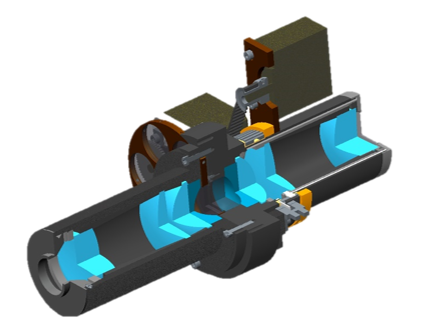
Custom optical systems
POG combines optical and mechanical design with in-house manufacture, coating, assembly and testing.
Start with the optical function. Review feasibility, optical design and mechanical interfaces against the system requirement.
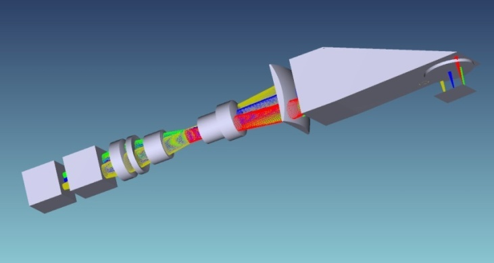
Bring an existing design or drawing set. Agree manufacture, assembly and acceptance scope with POG.
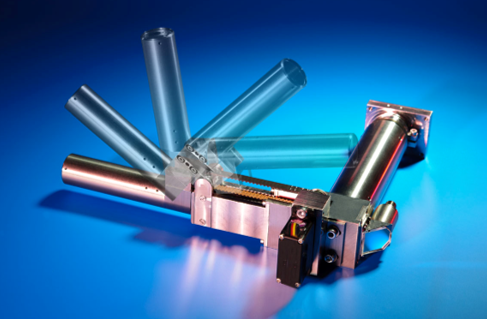
Combine lenses, prisms and micro-optical components with light sources or detectors where the application requires them.
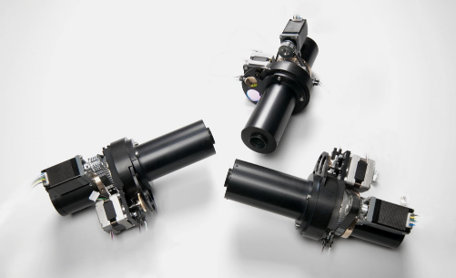
Use agreed design reviews, prototype approval and testing to establish the route into series production and lifecycle support.
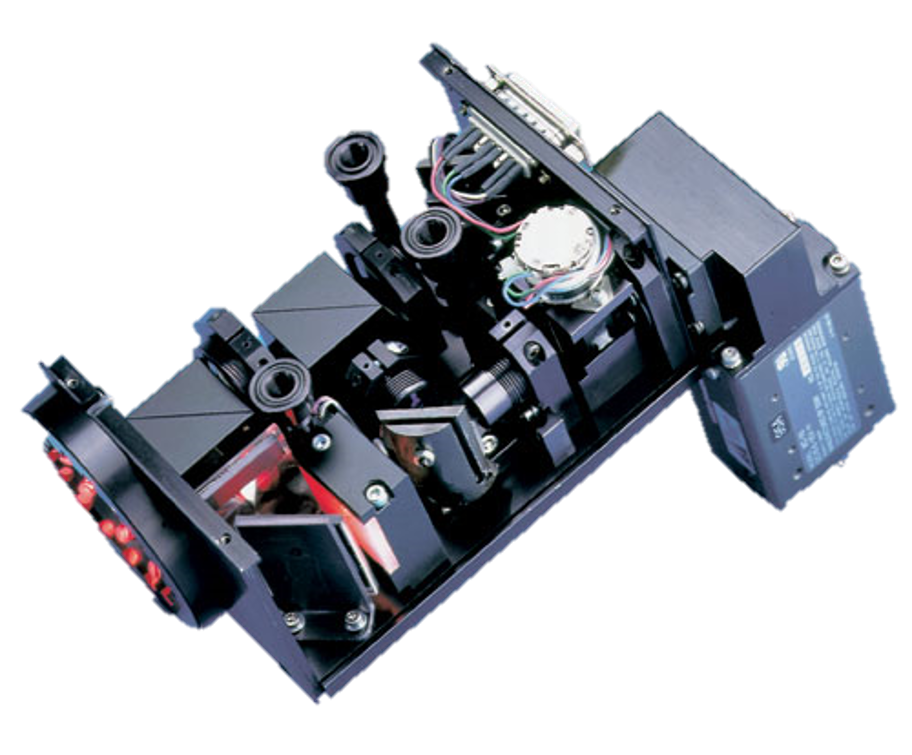
Integrated optical systems
Optics, mechanical interfaces, illumination and detection belong in one system brief. Agree alignment and acceptance evidence alongside the design.
Discuss an integrated optical systemRequirement → optical & mechanical design → prototype & verification → production
Discuss a custom optical system
Align optical and mechanical references for mounted lenses.

Review surface correction against the required optical performance.
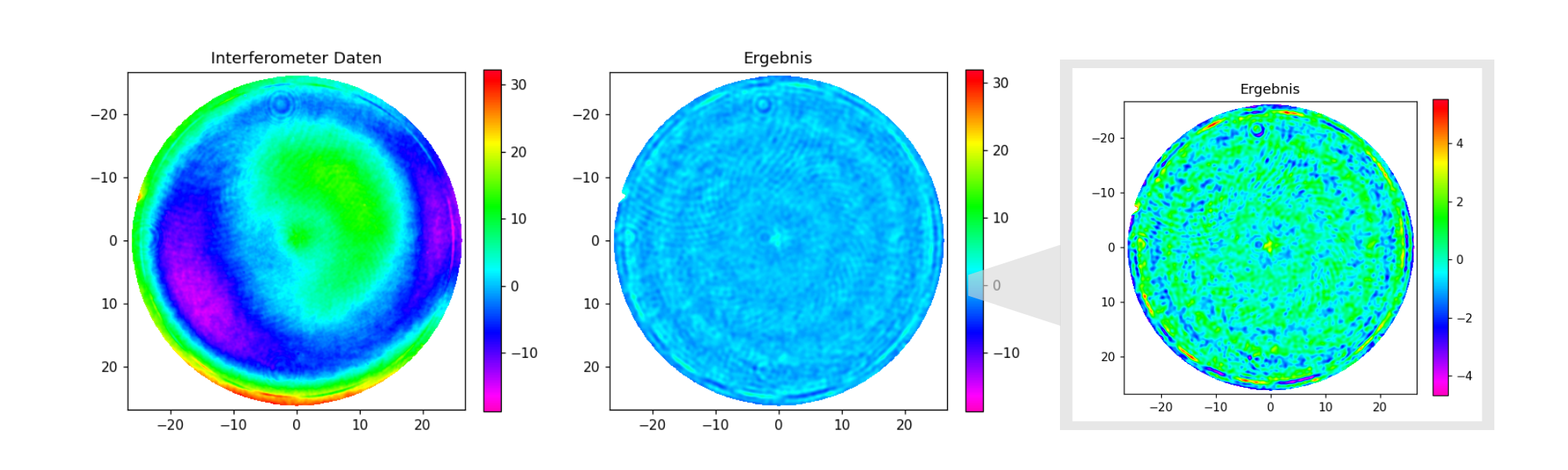
Agree wavefront, MTF, transmission or project-specific acceptance evidence.
MRF is discussed in POG’s technical material. Availability for a specific project requires confirmation.
Components / mounted optics / verification
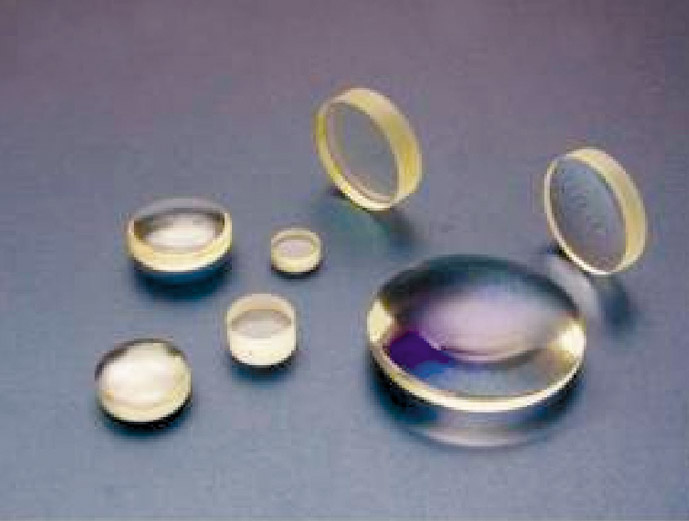
Lenses and prisms, individually or in an assembly. Define material, coatings and acceptance criteria.
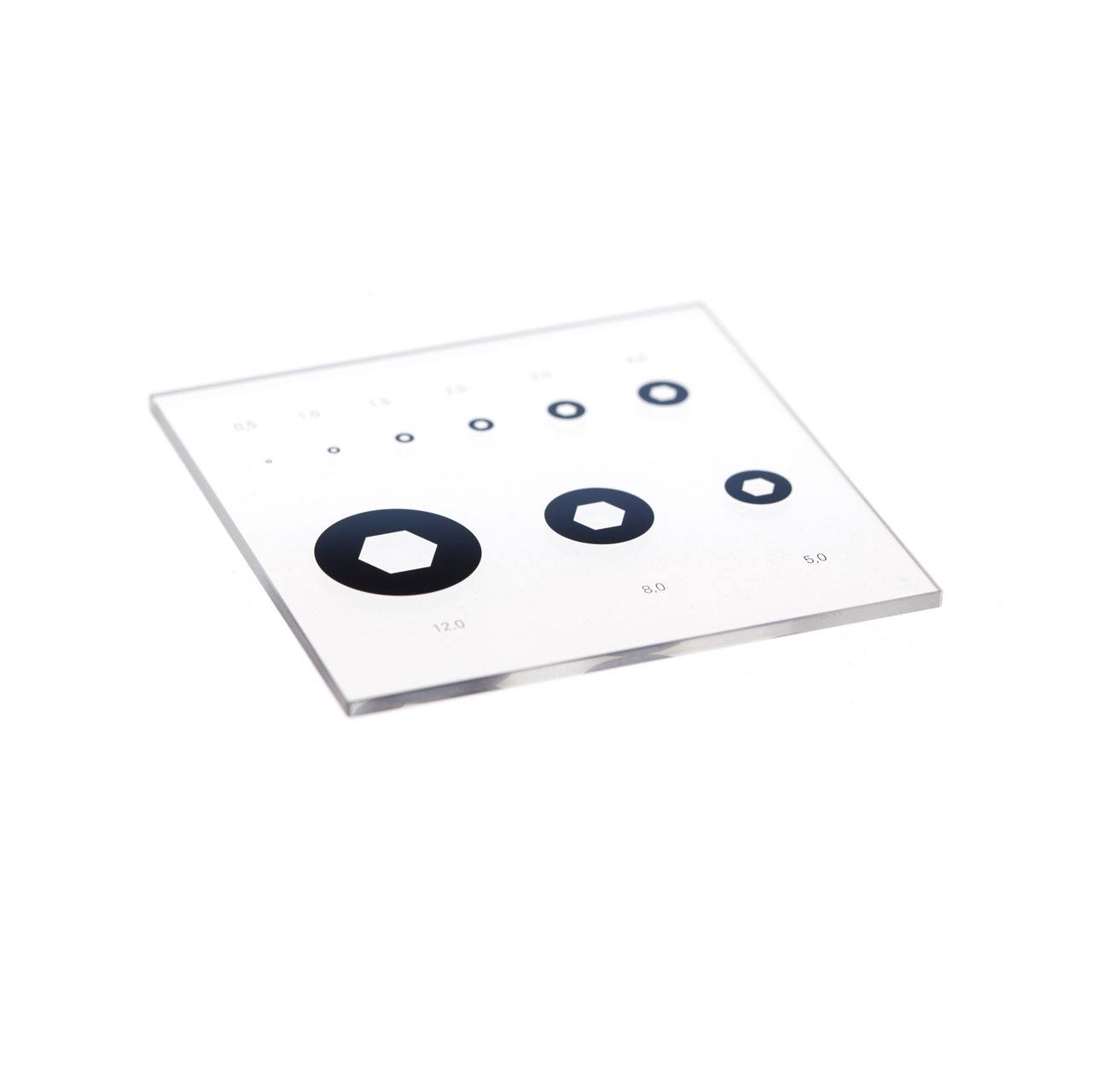
Patterned substrates, calibration targets and microapertures. Specify the pattern and inspection method.
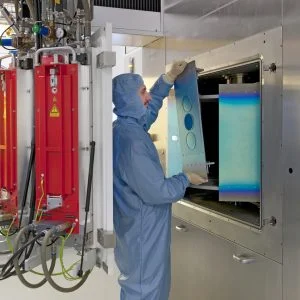
POG coats optics in-house using sputtering and vapor deposition. Discuss DUV-to-IR applications, including broadband anti-reflection, mirror and beam-splitter coatings. Specify wavelength band, substrate and angle of incidence.
Confirm the required IR band and project-specific coating scope with POG.
A specification, drawing or system requirement is a useful starting point.
MRF is discussed by POG as a surface-correction method. Its availability for a specific project must be confirmed with the manufacturer. Build-to-spec and build-to-print scope, materials, tolerances and inspection deliverables require project review.
Metal optics · LT-Ultra, Germany.
View the specialist route